Sydney Catholic and Anglican Schools

Sydney Catholic & Anglican Schools

St Michaels CPS Sydney Catholic and Anglican Schools
Sydney Catholic and Anglican Schools

Delivering Integrated, People-First Solutions Across Multiple Educational Campuses

CORE has developed a strong and ongoing partnership with Sydney Catholic & Anglican Schools, delivering end-to-end engineering consultancy services across a number of primary and secondary education projects throughout Greater Sydney and regional New South Wales.

Our multi-disciplinary capabilities have supported the successful planning, design and delivery of projects at:

  • Holy Spirit Catholic College, Lakemba
  • St. Patrick’s Catholic Primary School, Mortlake
  • St Michael’s Catholic Primary School, Meadowbank
  • Shellharbour Anglican College
  • St Aloysius College, Cronulla

These projects reflect our ability to respond to the complex and evolving needs of educational environments, delivering tailored solutions that prioritise safety, efficiency, and long-term value for students, educators, and administrators alike.

Our scope of services across these campuses has included electrical, mechanical, hydraulic, fire, civil, structural, and facade engineering. Each site presented unique challenges – from site constraints in dense urban settings to integration with existing infrastructure and staged construction around live school environments.

Through close collaboration with architects, project managers, and Sydney Catholic Schools’ planning teams, CORE ensured that all building services were designed to meet modern educational standards while supporting sustainability objectives, operational efficiency, and ease of long-term maintenance.

Engineering Educational Spaces for Performance and Longevity…

Educational environments require a people-first approach that goes beyond technical delivery. Considerations around student wellbeing, acoustic comfort, natural ventilation, lighting, and safety are central to our design philosophy.

Our ability to deliver coordinated, in-house consultancy services means fewer handovers, faster issue resolution and a more unified outcome that aligns with the school’s vision and values.

Whether designing for new learning spaces, administration buildings, or upgrades to essential infrastructure, CORE consistently provides thoughtful, responsive engineering solutions that support the holistic development of school communities.

Holy Spirit Sydney Catholic and Anglican Schools
Sydney Catholic and Anglican Schools
Macquarie College 182 222 Lake Rd Wallsend NSW

Macquarie College, 182 – 222 Lake Rd, Wallsend NSW

Macquarie College 182 222 Lake Rd Wallsend NSW

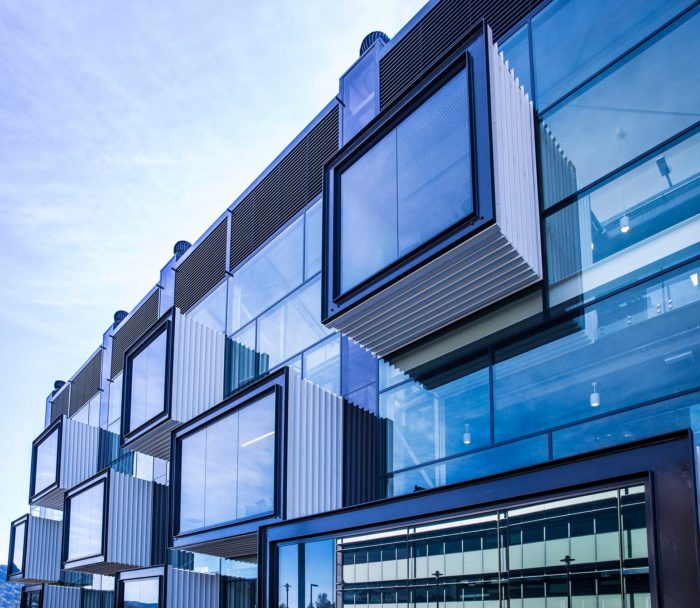
Our facade design engineering team was thrilled to be engaged in the design of Macquarie College’s new educational building. We were tasked with a comprehensive scope including the design of:

  • External wall systems
  • Facade window glazing
  • Bespoke oculus skylights
  • Decorative perforated screens supported by prefabricated steel frames

Timeline

Design – 3 months
Construction – 6 months

Project Details

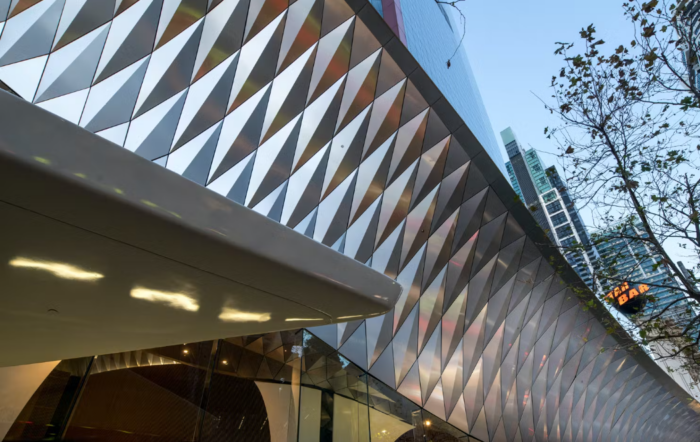
Collaborating closely with structural engineers and other stakeholders, our team navigated the intricate process of integrating these elements seamlessly into the architectural vision. One of the critical challenges we addressed was the design of prefabricated steel frames, carefully considering building movement and installation sequences to align with the architect’s geometric aspirations. The corrugated perforated screens, crafted into striking triangular shapes, required detailed planning to ensure structural integrity while upholding the aesthetic intent of the project.

Moreover, we focused on optimisingthe project’s cost-effectiveness, particularly in the value engineering of the perforated screens through careful selection of aluminium grades and thicknesses. Our team also played a pivotal role in coordinating with framing suppliers to deliver facade window glazing solutions that met rigorous thermal and wind pressure requirements.

Working on such a significant educational facility resonates deeply with our team, as we understand the profound impact of this college on future generations. We take pride in contributing our expertise to projects that support learning environments, ensuring they not only meet functional demands but also inspire and enrich the educational experience.

Structural Awning Safety Inspections and Certification

Structural – Awning Safety Inspections & Certification

Structural Awning Safety Inspections and Certification
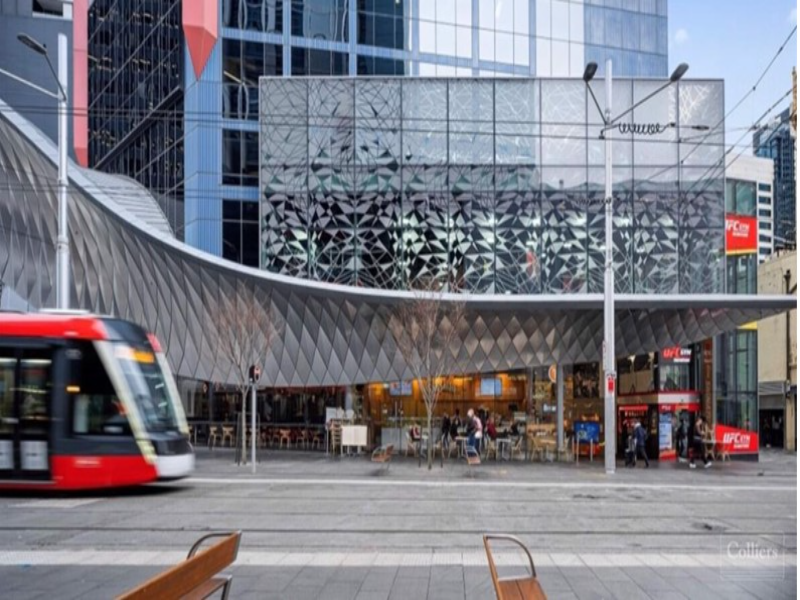
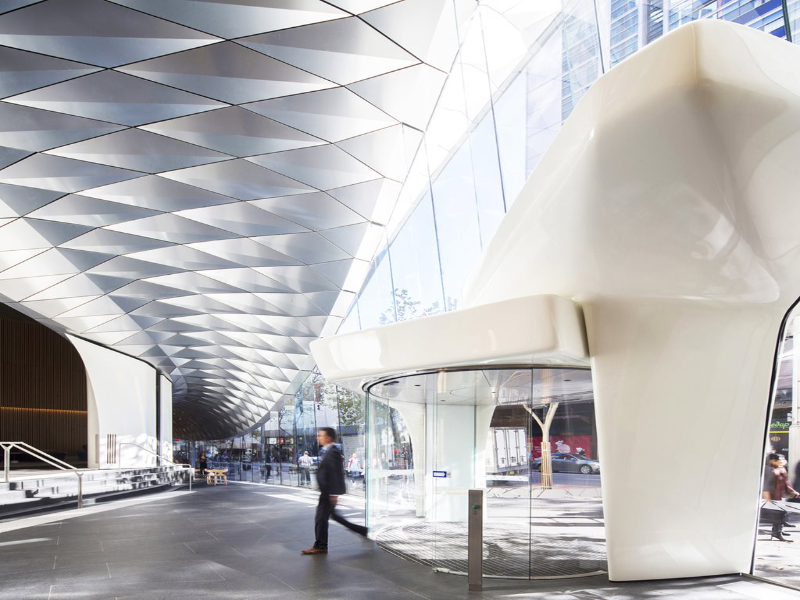
580 George Street Structural Awning Safety Inspections and Certification

Council Crack Down On Awning Safety

Following a tragic incident that occurred at Sydney’s Northern Beaches some years back, Councils have continued to crack down on ageing, unsafe awnings by implementing a ‘Awning Safety Program’ to addresses their potential failure or collapse.

The program has seen a significant number of Council notices issued to business owners, instructing them to have their street front awnings inspected and assessed by a registered professional engineer as a matter of urgency. Following the inspection, the engineer is required to submit a 5-year safety certificate certifying the structural integrity and safety of the awning.

Our Expertise

As a result, our team has recently seen an influx in Council stipulated requests and is providing this service to an array of clients – having recently completed awning assessments to 80 awnings for the City of Sydney.

CORE Consulting Engineers is a multi-disciplinary firm armed with the knowledge and expertise of the industry’s leading engineers. For more than 20 years, our team has delivered outstanding, 360°engineering solutions to a range of clients across all major property sectors Australia-wide.

An awning’s age along with recent weather conditions are some contributing factors to structural failures and can pose a significant public safety risk.


Awning inspections include a condition assessment and are then followed by a structural assessment to confirm the awnings are compliant for gravity, imposed and wind loadings. Sometimes, awnings need to be strengthened to comply with current codes of practise.

Having your awning inspected and assessed by a RegisteredProfessional Structural Engineer is critical to confirming that there are no underlying safety issues.

Typically, Councils require awnings to be reassessed every 5 years.

Key Process Stages

  1. Where an awning is a closed structure, we undertake opening up works with the contractor, typically by lifting roof sheets at key locations to facilitate visual inspection of the internal framing to assess condition and measure up the members. CORE can engage a contractor to conduct opening up works under CORE’s direction and also facilitate access to the awning roof.
  2. We then conduct a risk assessment of the awning to establish whether an awning can be accessed by the public, either via openable windows above the awning, from adjacent accessible awnings, by ladders from ground level or other means such as adjacent structures.
  3. Awnings can be subject to high imposed loads due to unauthorised access by the public, such as the ‘Black Lives Matter’ protest in July 2021, when a large number of people climbed onto the Woolworths Building awning.
    Australian Standards require varying application of imposed loading to an awning depending on its access risk level.
  4. CORE then undertake a condition assessment and structural loading assessment to ascertain if any remedial works or strengthening works are required to achieve structural adequacy for load compliance and also ensure the awning is structurally sound.

If an awning is determined to be structurally adequate and does not require major repair, we will provide a structural certificate, valid for 3 to 5 years. Where strengthening or major remedial works are required, we can assist with the design and specification of any upgrade works before CORE undertake a final inspection and then provide final certification.

Electrical Switchboard Reviews and Upgrades

Electrical – Switchboard Reviews & Upgrades

Electrical Switchboard Reviews and Upgrades

Our Expertise

CORE has been delivering switchboard upgrade consultancy services for an array of long-term partner portfolios such as: City of Sydney, MBM, Investa and AMP Capital and has also supported electrical upgrades for a broad host of clients across several industries and sectors.

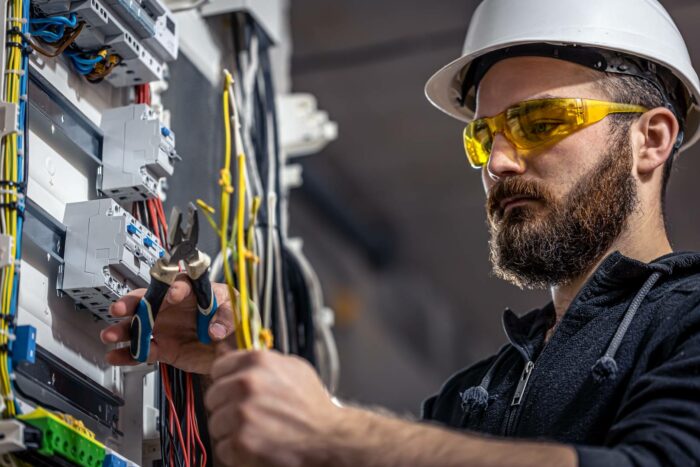
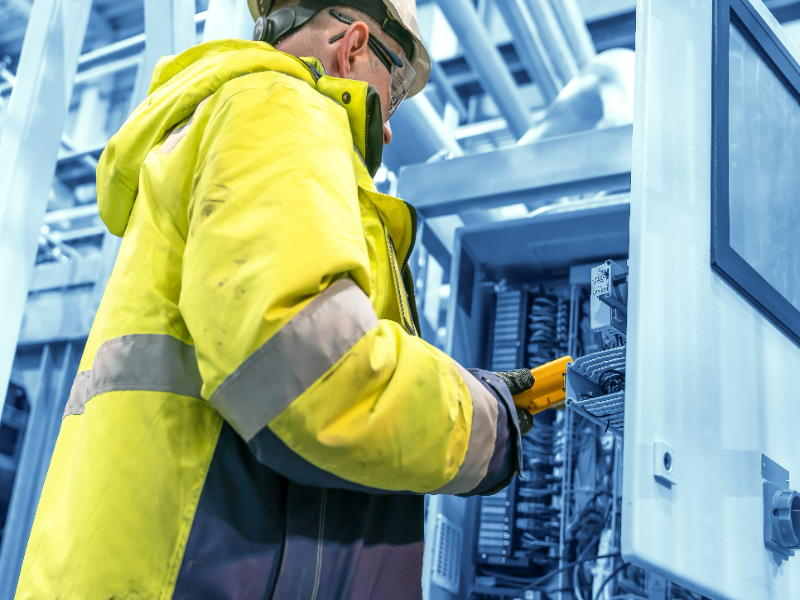
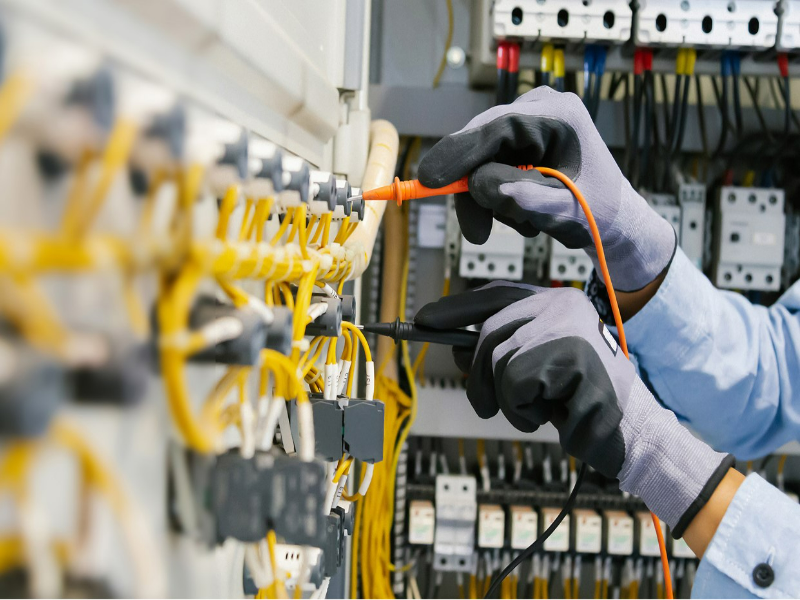
Our team has extensive technical experience and an intimate understanding of the integration between the main switchboard (MSB) and other interfacing electrical elements and building services. Known for our expertise in existing buildings, our team have successfully implemented MSB upgrades for buildings of various ages and at different stages of their lifecycle for compliance and capacity purposes.

Our approach to all MSB upgrades is to ensure our recommendations align with future building plans, seeing us offer long-term value and MSB solutions that support each asset’s requirements for years to come.

Imperative to providing our clients with customised and cost-efficient solutions, CORE has developed a strong understanding of the extensive MSB and distribution board market and its suppliers.

From evaluating your building’s requirements through to sourcing optimal equipment and managing upgrade works all the way to completion, our engineers deliver a robust solution to switchboard upgrades.

Some of our most recent switchboard upgrades include:

  • Coronation Hotel – Park St, Sydney
  • 9 The Crescent – Annandale, Sydney
  • Bay St Depot – Ultimo, Sydney
  • Victoria Park Pool – Camperdown, Sydney
  • SDN Surry Hills Long Day Care Centre – Surry Hills, Sydney
  • Reginald Murphy Activity Club – Elizabeth Bay, Sydney
  • Rex Community Centre – Elizabeth Bay, Sydney


MSB Impact on Building Safety and Performance…

It’s important to know the age and condition of your main switchboard along with any supplementary distribution boards powering your building to ensure they comply with current BCA standards.

Non-compliant MSBs can restrict accessibility, limit the ability to carry out maintenance services and can also pose a significant safety hazard to users – carrying serious risks such as electrocution, particularly when the expected lifespan for circuit breakers is reached or close to expiry.

Switchboards that are newer to the market are equipped with ‘earth leakage detection’ safety mechanisms, enabling minor current leaks to be detected and trapping the circuit immediately.

When not upgraded, the MSB can also damage cables and other distribution boards having a costly, flow-on effect to other electrical components and in turn, impacting a building’s overall performance – an issue that can be managed and avoided.

When was your building’s last switchboard review?

It is recommended that an electrical assessment, visual inspection and subsequent report be completed every 5 years. This is especially important prior to any building services upgrades/maintenance being implemented as the impact on the MSB must be considered.

Approximately a 1-day engagement for inspection and reporting, CORE conducts visual evaluations of an asset’s electricals including but not limited to: power, lights and switchboards – evaluating their expected lifespan and notifying
Building Managers of all findings and any identified defects. A report is then provided, detailing item prioritisation and recommendations with indicative costs and information on whether further testing is needed to verify potential defects.

For what is a critical piece of infrastructure, that is often overlooked for inspection and maintenance, the switchboard inspection and testing process is a relatively quick, low-cost exercise that can prevent future faults or problems, and ensure your building and its people are well protected.

iAccelerate University of Wollongong NSW

iAccelerate, University of Wollongong, NSW

iAccelerate University of Wollongong NSW

CORE was engaged by Project Coordination to create the facade design for a new, 4,000sqm landmark iAccelerate building located at the University of Wollongong’s Innovation Campus – a centre of Australian innovation and research excellence.

Featuring a ‘plug and go’ expandable space for more than 280 entrepreneurs of fast growth start-up companies, the $14.7m project required meticulous design consideration and innovation in order to meet architectural intent, achieve structural adequacy and deliver an inspiring, functional building for end users.

Timeline

12 months – design

Design and functionality unite

CORE’s attention to detail and unwavering commitment to overcoming a variety of technical challenges saw our team design an efficient and cost-effective facade that not only aligns with the highest standards of Australian design and best practice but also aesthetically brings to life the history of the Illawarra region.

The large, three-storey complex facade necessitated the use of exposed steel columns to meet code requirements for strength and strict serviceability requirements for glazing support. Slender steel box sections were installed in lieu of glazing transoms to transfer wind and gravity loads to the columns. Proprietary aluminium glazing adaptors were specified to support the glazing panels and to seal the building envelope from the external harsh marine environment.

CORE designed a multitude of individual facade structural elements to minimise the quantity of steel on the project which ultimately resulted in:

  • reduced material and transportation costs
  • reduced embodied energy within the facade envelope
  • smaller structural materials which in turn reduced the risk to site operators

All connections were carefully considered and detailed by CORE to ensure the facade would be buildable without compromising its integrity. Moisture naturally forming within the facade was designed to escape the envelope
via carefully positioned glazing spigots and weepholes between capping elements. These weepholes also allow for thermal variations between the clip on covers and supporting steel.

Notably, the project was awarded Winner of the 2017 NSW MBA South-East Region Excellence in Building Awards – Commercial Building category and Winner of the 2016 NSW MBA Excellence in Building Awards – Tertiary Building $10 – $25m category.